 Pagdandi
Stories › Health
Do you really need 10,000 steps a day?
The famous number started as a pedometer's name, not a medical guideline. Here's what the research says, and how to pick a goal you'll keep.
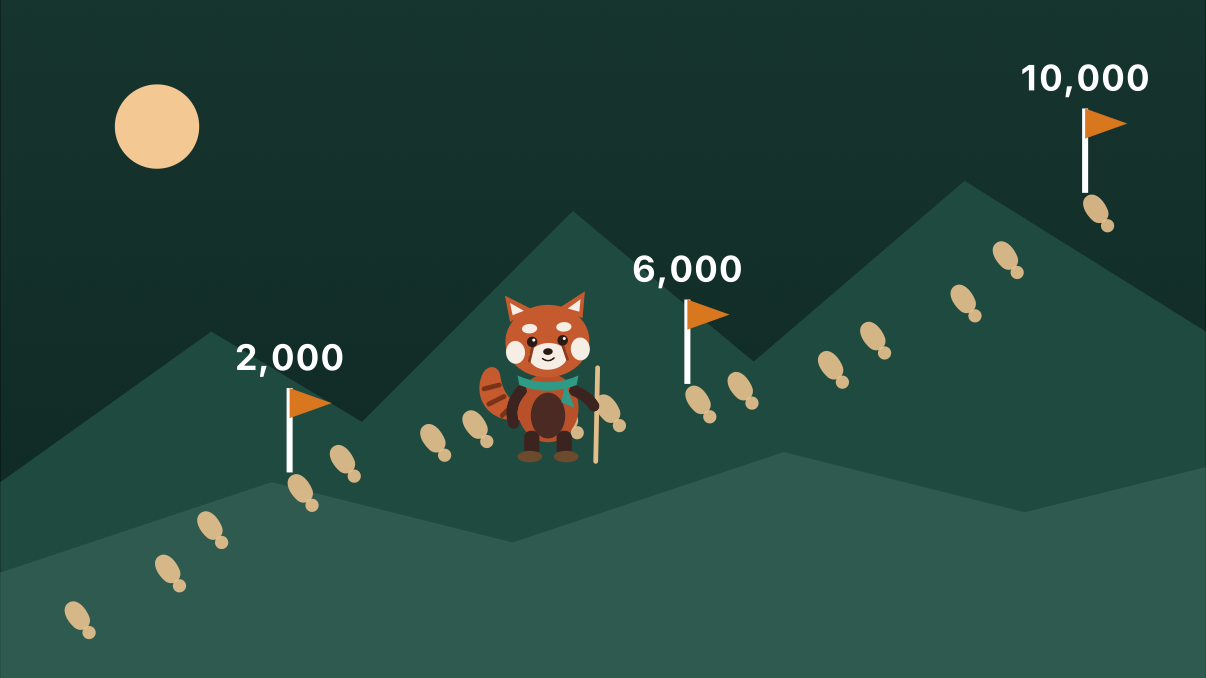
Ten thousand steps is everywhere: on watches, in office challenges, in the back of our minds at 9 pm when the counter says 6,412. But the number didn't come from a lab.
Where 10,000 came from
In the 1960s, around the Tokyo Olympics, a Japanese company sold a pedometer called the manpo-kei, which means "10,000-step meter". It was a catchy round number, it stuck, and over the decades it became the goal most fitness apps default to.
That doesn't make it wrong. It just means it was never the result of a study.
What the research actually found
Scientists have since tested the idea properly, by following large groups of people and comparing how much they walked with their health years later.
- A 2019 study of about 16,700 older women, published in JAMA Internal Medicine, found that women averaging around 4,400 steps a day had a noticeably lower risk of dying during the study than women averaging about 2,700. The benefit kept growing with more steps, then levelled off at around 7,500 a day.
- *A 2022 analysis in The Lancet Public Health* pooled 15 studies covering about 47,000 adults. More steps meant lower risk, levelling off at roughly 6,000 to 8,000 steps for people over 60, and 8,000 to 10,000 for younger adults**.
The big jump in benefit comes from moving out of the lowest group, not from hitting a magic number.
So what should your goal be?
The honest answer: one you'll actually hit most days. A few ideas that work:
- Start from your real average. Look at your last two weeks and add 1,000 to 2,000 steps. That's a goal you can win.
- Count streaks, not perfect days. A short daily walk that never breaks beats an occasional 15,000-step Sunday.
- Make the steps go somewhere. Walking feels shorter when it moves you towards something, whether that's a landmark, a friend's lap time or the top of a pass.
That last idea is why Pagdandi exists. Your everyday steps move your companion along a real Himalayan trail, and your streak goal (3,000 steps by default, changeable in Settings) decides which days count.
The short version
- 10,000 is a marketing number from the 1960s, not a medical rule.
- Health benefits rise steadily with steps and level off somewhere between 6,000 and 10,000, depending on age.
- The best goal is a little above what you already do, kept up for weeks.
This article is general information, not medical advice. If you have a health condition, ask your doctor what's right for you.
More stories

Race your friends: tracks, laps and Saathi groups
Every step challenge is now a race round a 1 km circuit: Marine Drive, Lodhi Garden, Munnar or Hussain Sagar. Here's how it works, and how to get your people in.

Valley of Flowers: the trek behind the trail
A meadow a mountaineer stumbled into in 1931, now a World Heritage Site. Here's the real trek your companion walks, stop by stop.
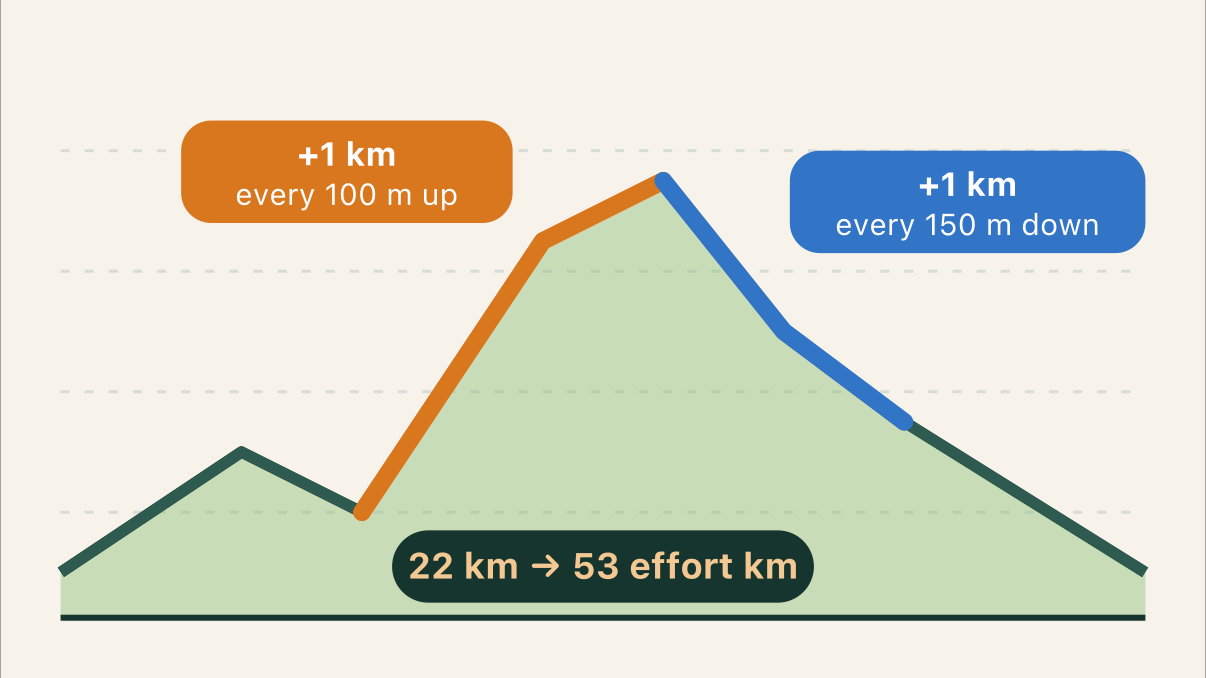
Effort km: why a mountain kilometre counts for more
Walking 22 km on a flat road isn't the same as 22 km up Kedarkantha. Here's the old Swiss rule Pagdandi uses to make treks feel real.