 Pagdandi
Stories › Inside Pagdandi
Effort km: why a mountain kilometre counts for more
Walking 22 km on a flat road isn't the same as 22 km up Kedarkantha. Here's the old Swiss rule Pagdandi uses to make treks feel real.
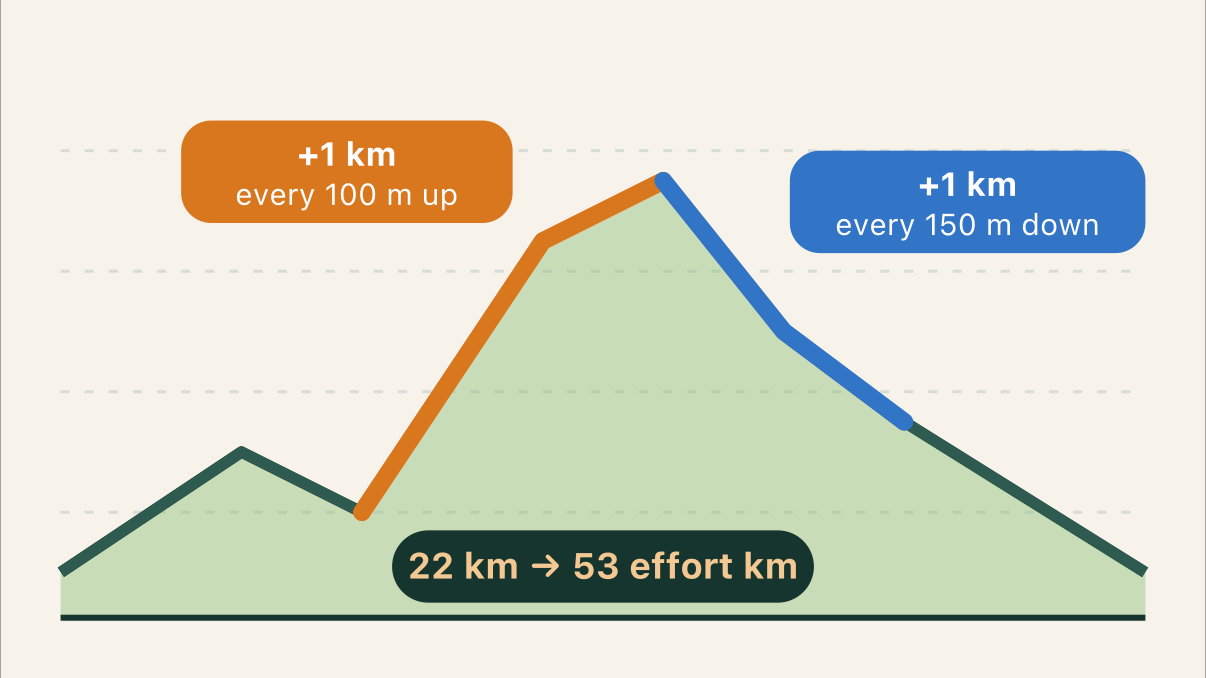
Most of us walk on flat ground: offices, colonies, malls, station platforms. Real treks don't. When you climb 1,000 m in a day, your legs know it, even if the map says you only walked 8 km.
So Pagdandi doesn't measure treks in plain kilometres. It measures them in effort kilometres.
The Swiss rule
Swiss hikers have used a simple rule for a long time to estimate how hard a walk is. The Swiss Alpine Club calls the result Leistungskilometer, "performance kilometres":
- Every 100 m you climb adds 1 km.
- Every 150 m you descend adds 1 km. Going down is easier than going up, but it's not free: it's hard on the knees.
That's the whole rule. It's not perfect, but it's a lot closer to how a trek feels than the flat distance.
An example: Kedarkantha
The Kedarkantha trek in the app is about 22 km on the ground, with about 1,860 m of climbing and the same coming down.
- Climbing: 1,860 m ÷ 100 = 18.6 km
- Descending: 1,860 m ÷ 150 = 12.4 km
- Plus the 22 km itself = 53 effort km
So you walk 53 km of everyday steps to complete Kedarkantha, more than twice the map distance, and roughly what the trek feels like to someone who's done it.
What this changes in the app
- Your companion slows down on climbs. On a steep stretch, your daily steps move it a shorter distance up the trail, just like you'd slow down on a real slope.
- Treks take as long as their terrain deserves. A flat river walk and a high pass of the same length no longer finish in the same number of days.
- Round trips walk back. On Goechala and the Chadar trek you return the way you came, through the same stops, just like the real treks.
You'll see both numbers on every trail: the real distance on the ground and the effort km you'll walk. Distances on landmarks are always the real ones, so the map still matches the mountains.
Everyone counts the same way
Effort km apply to everyone, solo and in groups, so comparisons stay fair: if you're ahead of your friend on the trail, you really have walked more.
More stories
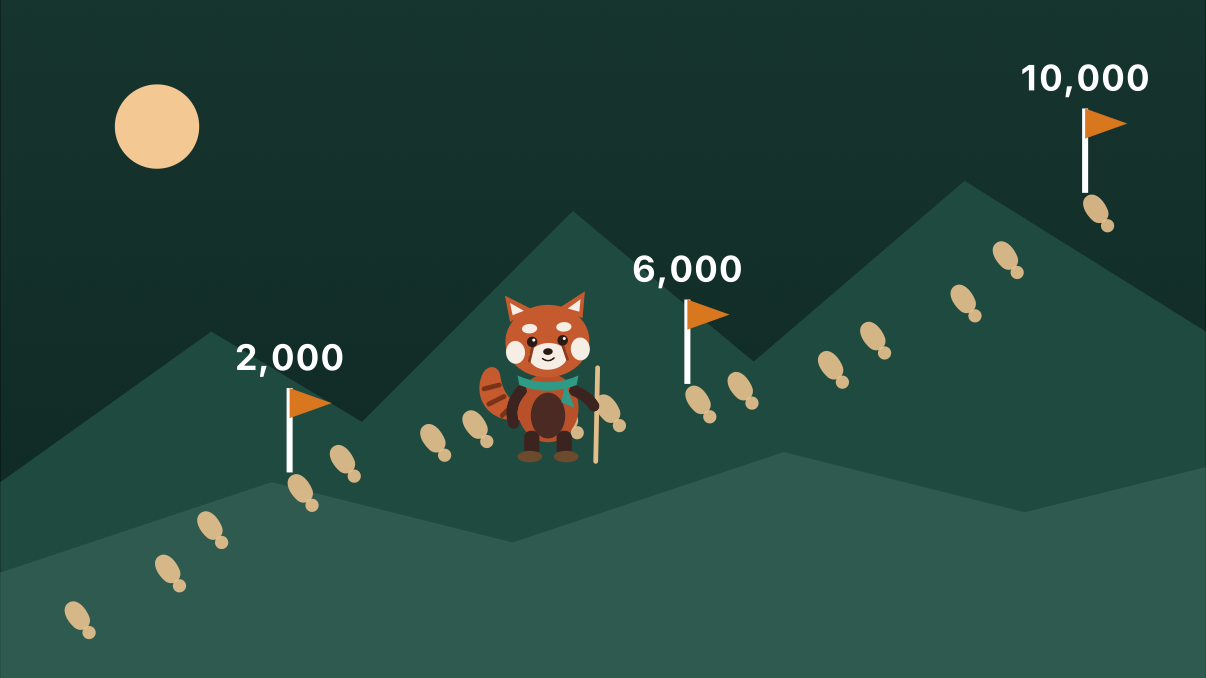
Do you really need 10,000 steps a day?
The famous number started as a pedometer's name, not a medical guideline. Here's what the research says, and how to pick a goal you'll keep.
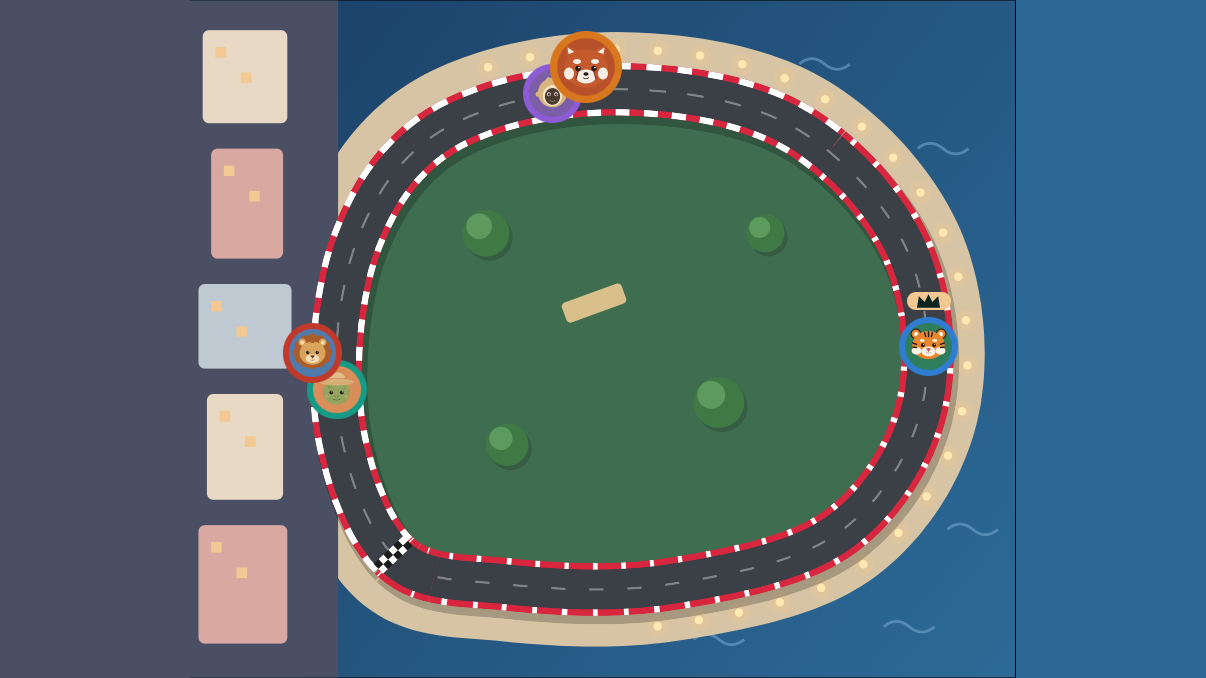
Race your friends: tracks, laps and Saathi groups
Every step challenge is now a race round a 1 km circuit: Marine Drive, Lodhi Garden, Munnar or Hussain Sagar. Here's how it works, and how to get your people in.
Valley of Flowers: the trek behind the trail
A meadow a mountaineer stumbled into in 1931, now a World Heritage Site. Here's the real trek your companion walks, stop by stop.